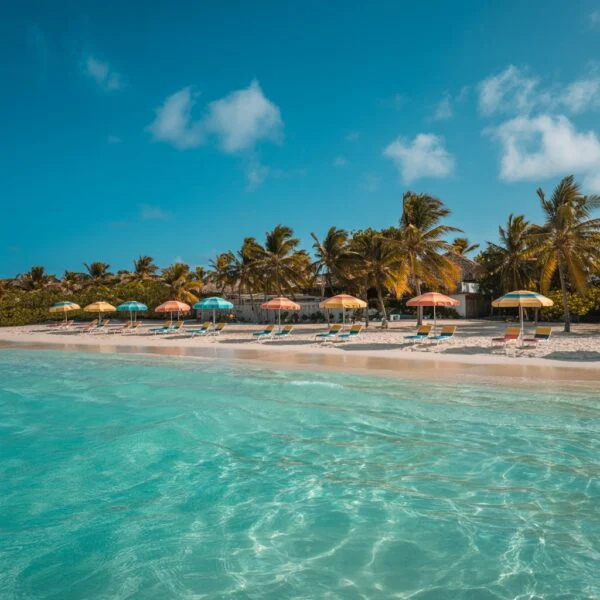
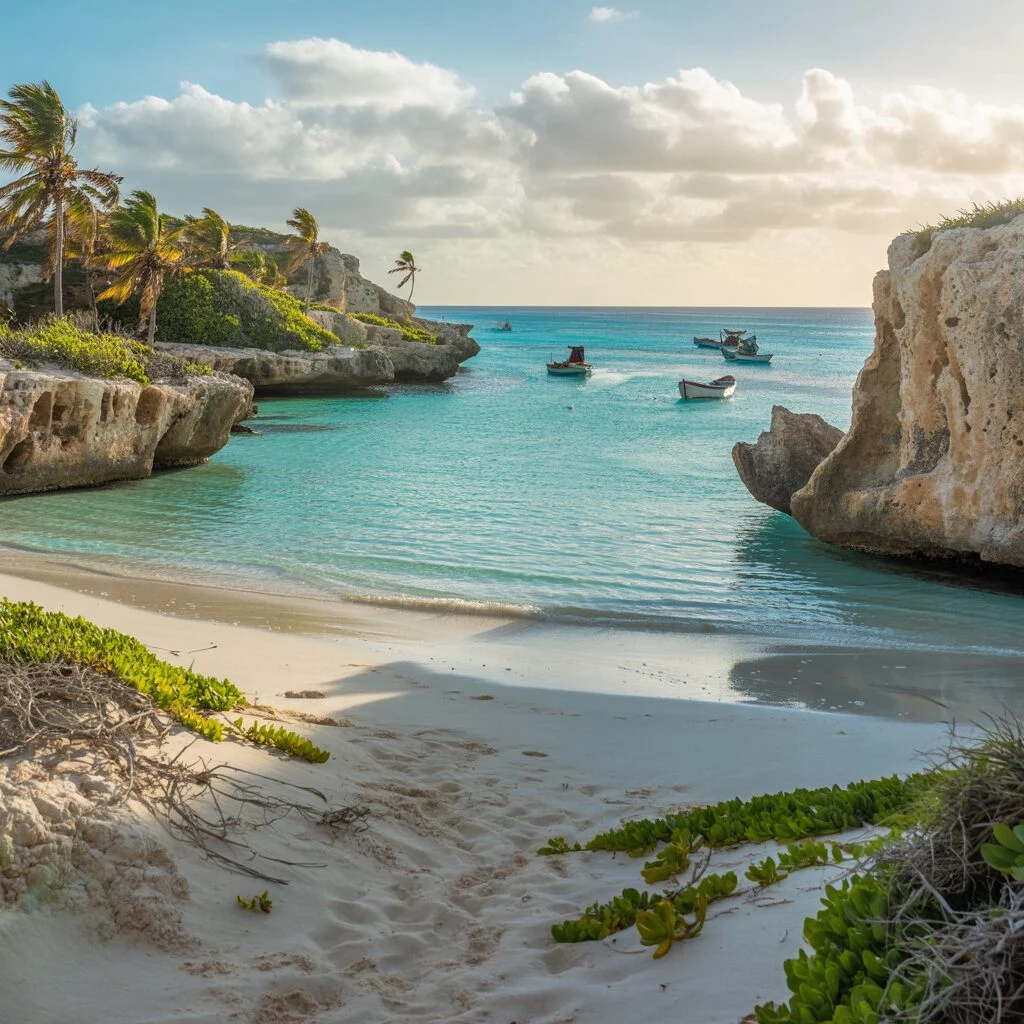
I will guide you through the rugged and untouched side of the island, revealing secret coastal gems that few travelers ever witness. Aruba has 12+ secluded beaches requiring 4×4 vehicles or hiking to access, split between the wild North Coast (Andicuri, Dos Playa, Boca Prins) and calmer South (Mangel Halto, Rodger’s Beach). These spots offer complete solitude with zero amenities—no lifeguards, restrooms, or rentals—but reward you with pristine nature, world-class snorkeling, and dramatic volcanic landscapes that 90% of tourists never see.
What Makes Aruba’s Hidden Beaches Unique?
Aruba’s hidden beaches feature dramatic volcanic stones, limestone cliffs, and zero development—unlike Palm Beach’s resort strip. You’ll find yourself completely alone at spots like Black Stone Beach or Dos Playa, where the only sounds are crashing waves and trade winds. These locations preserve raw geological features including natural bridges, 20-foot sand dunes, and nesting grounds for leatherback sea turtles.
The isolation is absolute: no hotels, restaurants, or rental shops within miles. Visitors come for unique landscapes—black volcanic stones at one beach, towering white dunes at another—rather than sunbathing. The North Coast beaches average 8-12 foot waves year-round, making them unsuitable for casual swimming but spectacular for experienced surfers.
Best Secluded Beaches on the North Coast
The North Coast within Arikok National Park contains 5 major hidden beaches, all requiring 4×4 access or 30-60 minute hikes. Strong winds averaging 15-25 mph and powerful surf define this region. Expect rocky terrain, zero facilities, and complete isolation at every location.
Andicuri Beach: Surfing and Solitude
Andicuri delivers consistent 6-10 foot waves year-round, making it Aruba’s top bodyboarding spot for locals. The limestone cliffs create total isolation—you’ll typically see 0-3 other people on weekdays. Swimming is dangerous due to powerful undertow and rip currents reaching 3-4 mph.
Access requires a 4×4 vehicle or 45-minute hike from Natural Bridge ruins. The rough water conditions keep 95% of tourists away. Perfect for beach picnics and wave-watching, but bring all supplies—nearest facilities are 8 miles away in the park entrance.
Black Stone Beach: A Volcanic Landscape
Black Stone Beach is covered entirely in smooth volcanic stones instead of sand—the only beach of its kind in Aruba. The black rocks create 40°F temperature contrast with white sand beaches nearby. Strong currents averaging 2-3 mph make swimming impossible, but the three-bridge natural formation 200 yards offshore creates exceptional photo opportunities.
This spot attracts 10-15 visitors daily (versus 1,000+ at Eagle Beach). The sound of water rushing over stones creates a meditative atmosphere. Ideal for photography during golden hour (6-7 AM or 5-6 PM) when light contrasts with the dark stones.
Dos Playa: Nature in Arikok National Park
Dos Playa consists of two distinct coves spanning 400 yards of white sand, located 6 miles inside Arikok National Park on dirt roads. This is a critical nesting site for 20-30 leatherback sea turtles annually (March-September). Waves reach 10-15 feet during peak season, attracting expert surfers willing to brave the undertow.
Expect complete isolation—average 5 visitors per day. The 4×4-only access road takes 25 minutes from the park entrance. Swimming is prohibited year-round due to dangerous currents. The profound solitude and turtle nesting activity make this a must-visit for nature photographers.
Boca Prins: Dunes and Dramatic Waves
Boca Prins features 30-foot white sand dunes—the tallest in Aruba—contrasting with black volcanic rocks. Waves crash with 8-12 foot force in the narrow cove, creating spectacular spray visible from the wooden stairs descending 40 feet to the beach. Swimming is strictly prohibited due to currents exceeding 4 mph.
The nearby Boca Prins restaurant (open 10 AM-5 PM daily) is the only amenity within 5 miles. Perfect for dune hiking and photography, with 15-20 daily visitors on average. The dramatic landscape makes this the most photographed hidden beach in Arikok.
Daimari Beach: History and Seclusion
Daimari Beach sits on Aruba’s oldest coconut plantation site (established 1850s), accessible via a 3-mile rough dirt road or horseback riding tours. The landscape remains unchanged for 170+ years, offering a retreat into the past. Rough waters match the North Coast standard with 6-10 foot waves year-round.
Expect to see 0-5 other visitors daily. The solitude is unmatched—no cell phone reception for 2 miles in any direction. Horseback tours visit 2-3 times weekly, making early morning (before 9 AM) the best time for complete privacy.
Top Secret Spots in the South and San Nicolas
The South and Southeast coasts offer 4 major hidden beaches with calmer waters (1-3 foot waves) and better snorkeling than the North. These spots near San Nicolas remain 70% less crowded than tourist beaches while offering vibrant marine life and local culture. Most are accessible with regular vehicles.
Mangel Halto: A Snorkeler’s Paradise
Mangel Halto offers Aruba’s best shore snorkeling with 15+ coral species and 40+ fish species visible in 3-10 feet of crystal-clear water. The dense mangrove network provides natural shade covering 60% of the beach. Visibility averages 50-80 feet year-round, with parrotfish, yellowtail snapper, and brain coral formations starting just 20 feet from shore.
Access the reef via wooden deck or wade through mangroves. Currents reach 1-2 mph beyond the reef’s protection—stay within 100 yards of shore. Locals picnic here on weekends (20-30 people), but weekdays see only 5-10 visitors. Regular cars can access via paved road.
Rodger’s Beach: Quiet Relaxation
Rodger’s Beach sits 0.3 miles west of Baby Beach, offering identical calm bay conditions with 90% fewer people. The narrow 200-yard strip of white sand hosts 3-8 local fishing boats daily. Water depth stays under 5 feet for 50 yards out, making it perfect for floating and swimming.
Weekday visits often mean complete solitude (0-2 other people). The refinery view creates unique industrial contrast with turquoise water. No facilities exist, but Baby Beach amenities are a 5-minute walk away. Accessible via regular vehicle on paved road.
Boca Grandi: Kitesurfing and Wild Beauty
Boca Grandi delivers world-class kitesurfing with constant 15-25 mph trade winds and 3-6 foot rolling waves. On peak days (December-March), 30-50 colorful kites fill the sky. The 800-yard white sand beach offers excellent beachcombing, with currents averaging 2-3 mph making swimming suitable only for experienced swimmers.
Non-kitesurfers visit to watch the spectacle and walk the long beach. Expect 40-60 people on weekends (versus 500+ at Palm Beach), mostly kitesurfers. Accessible via paved road with regular vehicles. The wind energy meets ocean beauty in a unique combination found nowhere else on the island.
Grapefield Beach: Peace Among the Sea Grapes
Grapefield Beach features 100+ sea grape trees providing 70% natural shade along the 300-yard shoreline. Located on the windward side near San Nicolas, it averages 2-5 visitors daily—often completely empty on weekdays. Rough water conditions (4-6 foot waves) match Boca Grandi, making swimming risky but picnicking ideal.
Nearby cliffs offer elevated views 40 feet above the coastline. Perfect for a quiet lunch stop when exploring the southern loop. Accessible via regular vehicle on paved road, with parking for 8-10 cars.
How to Access Remote and Hidden Locations
Accessing Aruba’s hidden beaches requires planning: 60% need 4×4 vehicles, 30% require hiking, and 10% need guided tours. North Coast beaches within Arikok National Park demand the most preparation, while southern spots like Mangel Halto are accessible via paved roads. Understanding transport logistics is essential for safety and success.
Should You Rent a 4×4 Vehicle?
Rent a 4×4 vehicle if visiting North Coast beaches—Dos Playa, Andicuri, Boca Prins, and Natural Pool require four-wheel-drive to navigate rocky terrain, steep 20-degree inclines, and deep sand ruts. Standard sedans risk getting stuck or suffering $500-1,500 in undercarriage damage. 4×4 rentals cost $80-120 per day versus $35-50 for regular cars.
Southern spots (Mangel Halto, Rodger’s Beach, Grapefield) are accessible with regular cars via paved roads. To unlock the true “hidden” beaches, a 4×4 provides freedom to explore 8-10 additional locations that sedans cannot reach.
Hiking Routes to Inaccessible Coves
Arikok National Park offers 3 marked hiking trails (2-4 miles each) leading to secluded coves unreachable by vehicle. The Dos Playa trail from the visitor center covers 3.2 miles with 200-foot elevation gain, taking 45-60 minutes one-way. Trails are marked with yellow paint on rocks every 50-100 yards.
Start hikes before 9 AM to avoid 95°F+ midday heat—shade covers less than 10% of trails. Carry 2 liters of water per person minimum. GPS or downloaded maps are essential as cell reception drops to zero 1 mile into the park.
Navigating to Natural Pool (Conchi) Areas
The Natural Pool area requires navigating 4.5 miles of rough terrain with 25-degree inclines and volcanic rock obstacles. The journey takes 35-45 minutes in a capable 4×4 with experienced driver. Several small hidden beaches exist between volcanic rocks along this route.
Guided jeep tours ($65-85 per person) or horseback rides ($95-120 per person) eliminate navigation stress and ensure safe arrival. Tours run 2-3 times daily, offering panoramic coastal views inaccessible by other means. Self-driving requires high-clearance 4×4 and confidence navigating unmarked rocky paths.
Safety Tips for Visiting Secluded Beaches
Hidden beaches lack safety infrastructure—zero lifeguards, no emergency phones, and spotty cell reception in 70% of locations. North Coast beaches cause 3-5 water rescues annually due to rip currents reaching 4 mph. Prioritize safety over adventure when conditions are unpredictable.
Which Hidden Beaches Are Safe for Swimming?
Safe swimming exists only at South Coast beaches: Mangel Halto, Rodger’s Beach, and Baby Beach offer calm waters with 1-3 foot waves and gentle currents under 1 mph. These protected areas have water temperatures of 78-82°F year-round and visibility of 50-80 feet.
North Coast beaches (Andicuri, Boca Prins, Dos Playa, Daimari) are dangerous for swimming with 6-15 foot waves and rip currents of 3-4 mph. Swimming is prohibited at these locations—even expert surfers exercise extreme caution. Unless you’re an experienced surfer familiar with specific conditions, stay on shore.
Managing Risks of Strong Currents and Rough Terrain
North Coast rip currents pull swimmers 100-200 yards offshore in under 2 minutes. Never turn your back on the ocean—rogue waves 2-3x normal size occur every 10-15 minutes. If caught in a rip current, swim parallel to shore for 50-100 yards before swimming back in.
Sharp volcanic rocks and limestone cause 10-15 injuries annually. Wear sturdy water shoes or hiking boots with ankle support—flip-flops are inadequate. Rocks at Black Stone Beach and Natural Pool area can slice through thin-soled shoes. Carry basic first aid for cuts and scrapes.
Understanding the Lack of Lifeguards and Amenities
Zero hidden beaches have lifeguards, restrooms, food stands, or umbrella rentals. You are completely self-sufficient. Emergency response time averages 45-60 minutes in remote Arikok locations. Cell phone reception drops to zero in 70% of hidden beach areas.
Always inform someone of your location and expected return time. Carry a first aid kit with bandages, antiseptic, and pain relievers. The nearest hospital is in Oranjestad, 30-45 minutes from most hidden beaches. Self-rescue capability is essential.
Recommended Activities Beyond Sunbathing
Aruba’s secret beaches offer 5+ activities beyond sunbathing: snorkeling undisturbed reefs with 40+ fish species, photographing dramatic landscapes, bodyboarding 8-foot waves, observing nesting sea turtles (20-30 annually), and hiking coastal trails. These unique environments cater to active travelers seeking authentic nature experiences.
Snorkeling in Undisturbed Reefs
Mangel Halto’s undisturbed reefs host 15+ coral species and 40+ fish species in 3-10 feet of clear water with 50-80 foot visibility. Spot blue parrotfish (12-18 inches), brain coral formations (3-5 feet diameter), and sea fans in shallow areas 20-50 feet from shore. Unlike crowded boat tour stops serving 100+ daily snorkelers, these areas see 10-15 people maximum.
Bring your own gear—zero rental shops exist at hidden locations. Use a dive flag when venturing beyond 100 feet from shore to remain visible to local fishing boats (3-5 pass daily). Best snorkeling occurs 9 AM-2 PM when sun angle maximizes underwater visibility.
Landscape Photography and Nature Observation
Hidden beaches offer dramatic photography: black volcanic stones at Black Stone Beach, 30-foot white dunes at Boca Prins, and deep blue ocean create stunning contrasts. Golden hour (6-7 AM or 5-6 PM) provides optimal light for capturing rock textures and wave motion. Bring a polarizing filter to reduce water glare and enhance color saturation.
Nature observation includes wild goats (5-10 visible daily), donkeys (2-3 groups), and 20+ bird species. Dos Playa hosts 20-30 nesting leatherback sea turtles annually (March-September). Observe from 30+ feet distance to avoid disturbing nesting activity.
Bodyboarding and Surfing at Wild Beaches
North Coast beaches deliver uncrowded surfing: Andicuri and Dos Playa offer consistent 6-15 foot waves with 0-5 other surfers on weekdays (versus 20-30 at popular surf spots). The powerful breaks provide adrenaline rushes impossible at calm southern beaches. Wave quality peaks December-March with 10-15 foot swells.
Assess conditions before entering—local surfers (3-5 present on good days) provide advice on current wave patterns and hazards. Always surf with a buddy in these remote locations. Rip currents reach 3-4 mph, requiring strong swimming ability and surf experience.
What to Pack for a Day at a Remote Beach
Pack everything for the day—hidden beaches have zero facilities within 5-8 miles. Essential items include:
- plenty of water: 2-3 liters per person minimum for 85-95°F heat,
- sun protection: reef-safe SPF 50+ sunscreen, wide-brim hat, UV-blocking sunglasses,
- sturdy footwear: water shoes or hiking sandals rated for rocky terrain,
- snorkel gear: mask, snorkel, and fins for Mangel Halto (no rentals available),
- food and snacks: cooler with lunch and snacks (zero vendors within 5-8 miles),
- first aid kit: bandages, antiseptic, pain relievers for cuts or scrapes.
Pack out all trash to preserve the environment. Dehydration risk is high in 85-95°F heat, so bring extra water beyond your estimated needs.
Comparing Hidden Gems with Popular Tourist Beaches
Hidden beaches offer raw nature and solitude versus popular beaches’ convenience and luxury. Palm Beach serves 2,000-3,000 daily visitors with full amenities, while Dos Playa sees 5 people per day with zero facilities. The choice depends on whether you prioritize comfort or authentic wilderness experience.
| Feature | Hidden Beaches (e.g., Dos Playa, Andicuri) | Popular Beaches (e.g., Palm Beach, Eagle Beach) |
|---|---|---|
| Crowds | 0-15 people daily; often empty | 2,000-3,000 daily; busy with tourists |
| Amenities | Zero (no toilets, food, chairs, or rentals) | Full amenities (resorts, bars, chair rentals $15-25/day) |
| Water Conditions | 6-15 foot waves, 3-4 mph currents (North) | 1-3 foot waves, calm, 78-82°F water |
| Access | Difficult; 4×4 required or 30-60 min hikes | Easy; paved roads, public bus ($2.60 one-way) |
| Atmosphere | Wild, adventurous, complete solitude | Lively, social, developed with music and activities |