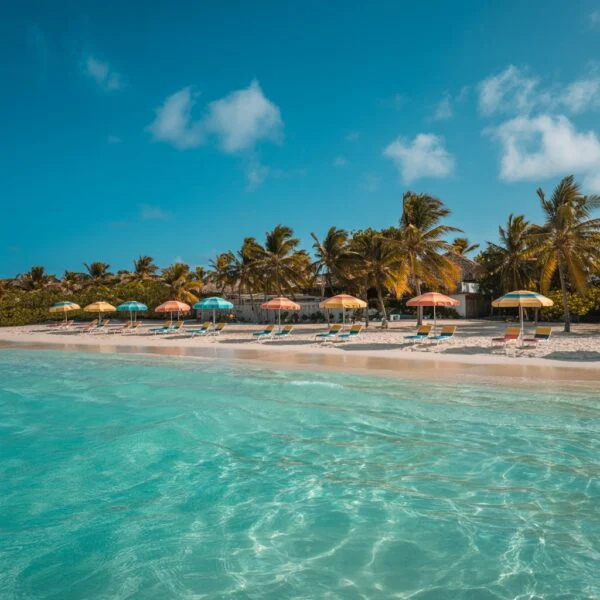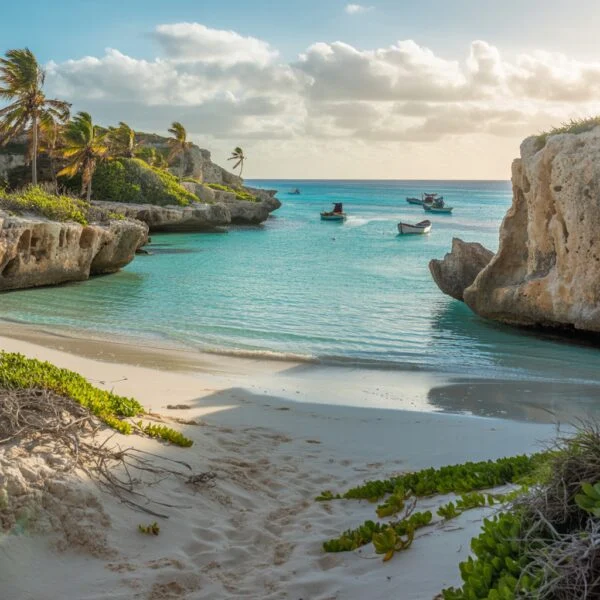

Aruba has a very low hurricane risk due to its location at 12.5°N latitude, outside the principal hurricane belt. Direct hurricane hits occur approximately once every 100 years, with tropical storms passing within 100 miles only once every 4-5 years. The island’s geographic position 15 miles north of Venezuela, combined with strong wind shear and weak Coriolis effect, creates a natural shield against major storms.
What Defines Aruba’s Hurricane Risk Level?
Aruba is classified as very low risk for direct hurricane impacts. The island experiences peripheral effects—increased rainfall or rough surf from passing storms—rather than catastrophic wind events. Meteorologists base this classification on historical track data showing that atmospheric patterns consistently prevent tropical cyclones from maintaining structure near the island.
Where Is Aruba Located Relative to the Hurricane Belt?
Aruba sits at 12.5 degrees North latitude, well south of the principal hurricane belt. Located 15 miles north of the Venezuelan coast, the island lies outside the standard paths taken by Atlantic hurricanes. Tropical waves forming off Africa’s coast track northwest due to Coriolis effect and trade winds, bypassing the southern Leeward Antilles entirely. While islands like Puerto Rico or the Bahamas face direct storm paths, Aruba remains geographically sheltered.
What Are the Common Myths and Facts About Aruba Hurricanes?
Myth: Aruba Is Completely Immune to Tropical Storms
Aruba is not 100% immune to tropical activity. Tropical storms occasionally pass near the island, bringing heavy rains and gusty winds. The risk is minimal but not zero—preparedness remains necessary.
Fact: Aruba Lies Outside the Principal Hurricane Zone
Aruba’s southern location places it on the edge of the Hurricane Belt—the Atlantic Ocean, Caribbean Sea, and Gulf of Mexico area where hurricanes most likely form and travel. Atmospheric conditions required to sustain a hurricane are rarely present this far south.
Myth: Hurricane Season Makes Travel to Aruba Unsafe
Aruba remains safe year-round despite the June-November hurricane season. Hotels, flights, and tours operate normally without the widespread closures seen in other Caribbean regions. The island’s low hurricane risk makes it a reliable destination during peak Atlantic storm months.
Fact: Direct Hurricane Hits Are Statistically Rare
National Hurricane Center data confirms direct hurricane hits occur approximately once every 100 years for Aruba. Most Caribbean systems curve northward before reaching Aruba’s latitude or weaken significantly due to interaction with the South American continent.
Why Do Hurricanes Generally Miss Aruba?
Three factors create a protective barrier: wind shear, the Coriolis effect, and the South American landmass.
How Strong Wind Shear Prevents Storm Formation
Strong wind shear over the Southern Caribbean disrupts hurricane formation. Wind shear—the change in wind speed and direction at different altitudes—prevents hurricanes from maintaining their vertically stacked structure. Hurricanes need vertical alignment to grow and maintain strength, but strong upper-level westerly winds blow across developing storm tops near Aruba. These winds “decapitate” storms, separating tops from bottoms and preventing cyclone organization.
How the Coriolis Effect Influences Storm Paths Near the Equator
The Coriolis effect—Earth’s rotation force that causes storm spin—is weakest near the equator. At Aruba’s 12.5°N position, the Coriolis effect is too weak for low-pressure systems to develop the tight rotation needed to become major hurricanes.
What Role Does the South American Coastline Play?
The South American coastline acts as a natural buffer. Landmass interaction disrupts tropical systems’ inflow of warm, moist air—hurricane fuel. Dry, stable air currents from South America sap moisture from approaching tropical waves, causing them to weaken or dissipate before threatening the ABC islands.
What Does Historical Data Reveal About Storm Frequency?
Records from 1851 show minimal major storm activity compared to the rest of the Caribbean basin. Tropical storms or hurricanes pass within 100 miles of Aruba once every 4-5 years. Impact is typically limited to tropical storm-force winds or rain rather than catastrophic hurricane damage.
| Event Type | Frequency Estimate | Typical Impact |
|---|---|---|
| Direct Hurricane Hit | Once every ~100 years | Structural damage, high winds |
| Passing Tropical Storm | Once every 4-5 years | Heavy rain, rough seas, gusty winds |
| Tropical Depression | Occasional | Overcast skies, scattered showers |
When Was the Last Major Hurricane to Impact Aruba?
Hurricane Felix in 2007 passed just north of the island as a Category 5 storm. Aruba escaped the eye and strongest winds, experiencing mostly tropical storm conditions. Hurricane Ivan in 2004 also passed north, causing some damage but sparing the island a direct hit.
When Is Hurricane Season in Aruba?
The official Atlantic hurricane season runs June 1st to November 30th. Understanding this timeline helps travelers plan with realistic weather expectations.
What Weather Patterns Occur Between June and November?
Aruba maintains consistently warm, sunny weather during hurricane season thanks to prevailing trade winds. When trade winds weaken, the island feels hotter and more humid. Tropical waves moving through the Caribbean can bring brief cloudiness or showers, usually overnight or early morning.
What Are the Peak Months for Rainfall and Tropical Activity?
September and October have the highest probability of tropical activity in the Caribbean. These months bring more precipitation than arid spring months and are often the warmest due to lighter trade winds. While hurricanes remain rare, rainfall increases during this period.
How Does Aruba Compare to Other Caribbean Destinations?
Islands in the “Hurricane Belt”—Bahamas, Puerto Rico, Dominican Republic, and Virgin Islands—face significantly higher annual storm probability. Aruba, Bonaire, and Curaçao offer safer alternatives for late summer and fall vacations, with minimal risk of cancellations or evacuations.
How to Prepare for a Trip During Hurricane Season
Should Travelers Purchase Hurricane Travel Insurance?
Yes. Purchase travel insurance covering weather-related cancellations. While direct hits are unlikely, storms elsewhere in the Caribbean or at departure airports could disrupt flights. Look for “Cancel for Any Reason” (CFAR) policies or specific hurricane coverage to protect your financial investment.
What Safety Protocols Do Hotels and Resorts Follow?
Aruba’s hospitality industry maintains strict safety protocols. Concrete and reinforced steel structures withstand high winds, while detailed evacuation and shelter-in-place procedures ensure guest safety. Hotels maintain direct lines with local meteorological services to keep guests informed of any developing weather situations.
How to Monitor Weather Alerts While on the Island
The Aruba Meteorological Department provides accurate local forecasts. Hotels post weather updates in lobbies when systems approach. Monitor the National Hurricane Center website for regional outlooks. Official sources prevent unnecessary panic from sensationalized social media reports.